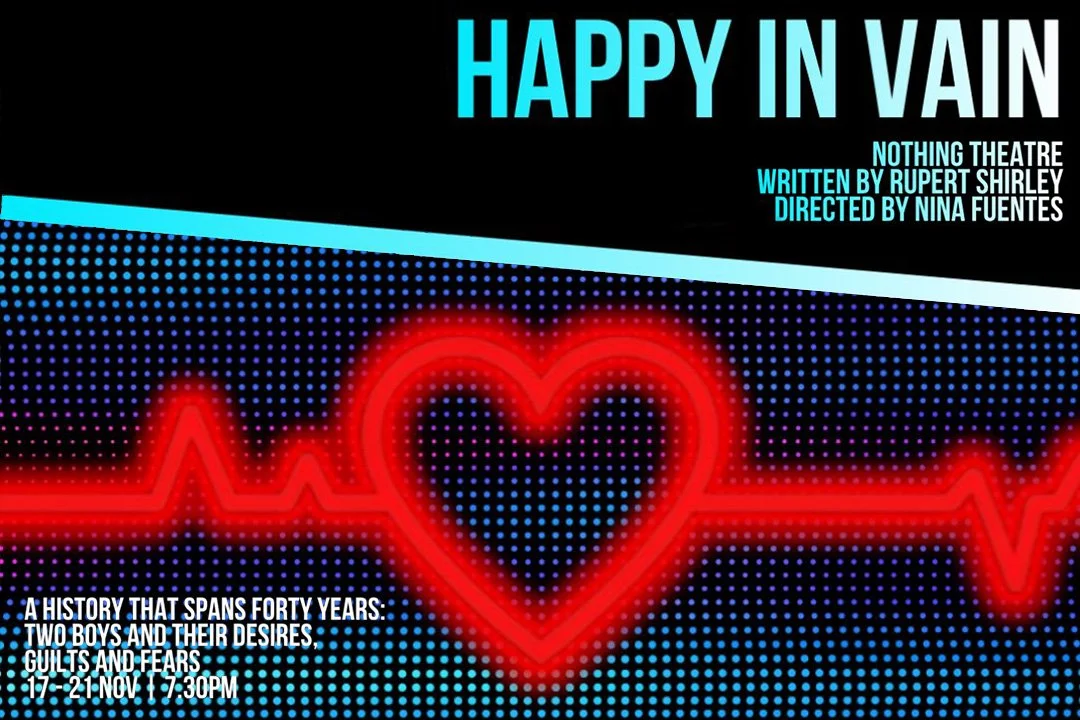
The Lion And Unicorn Theatre - 17 November • 21st November 2026
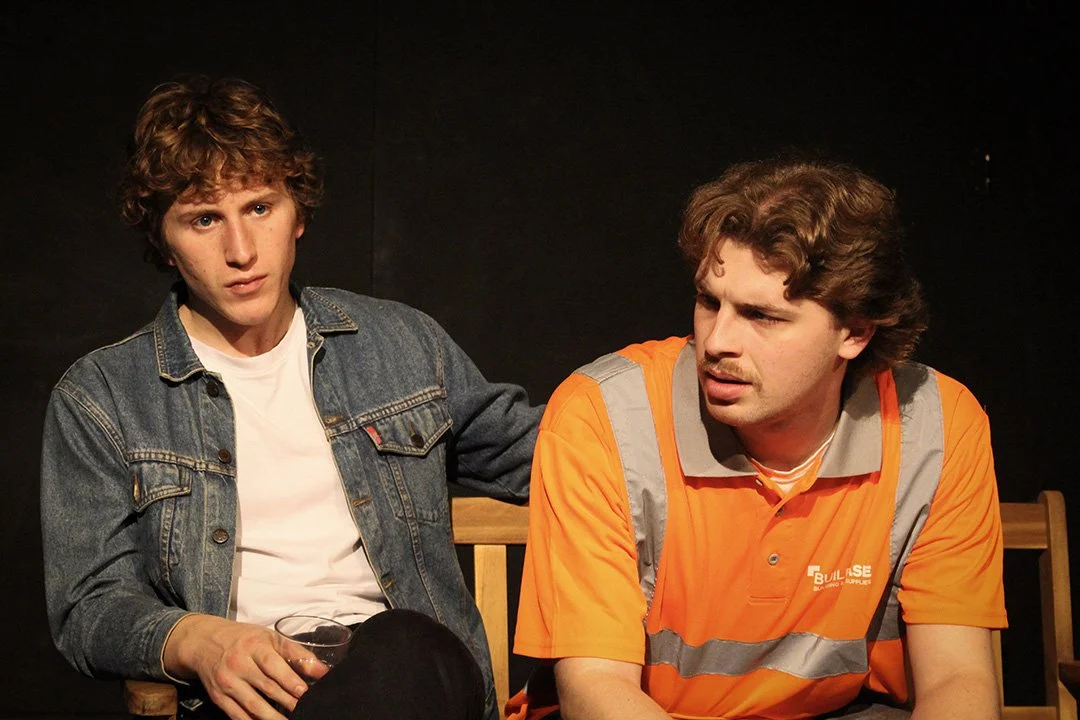
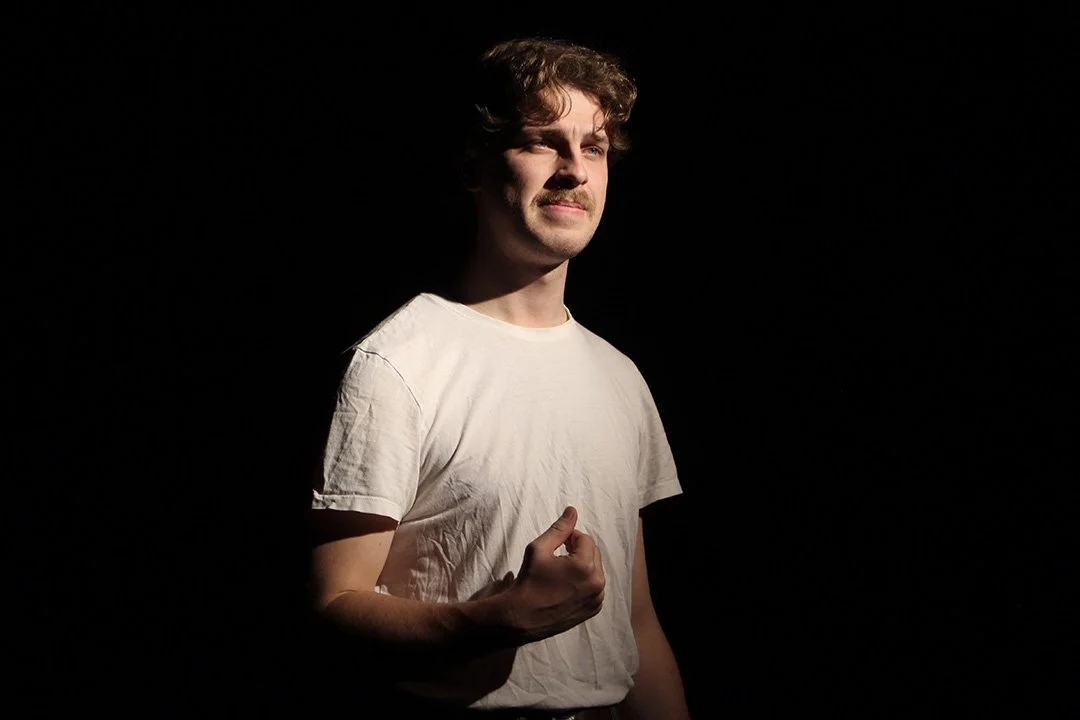
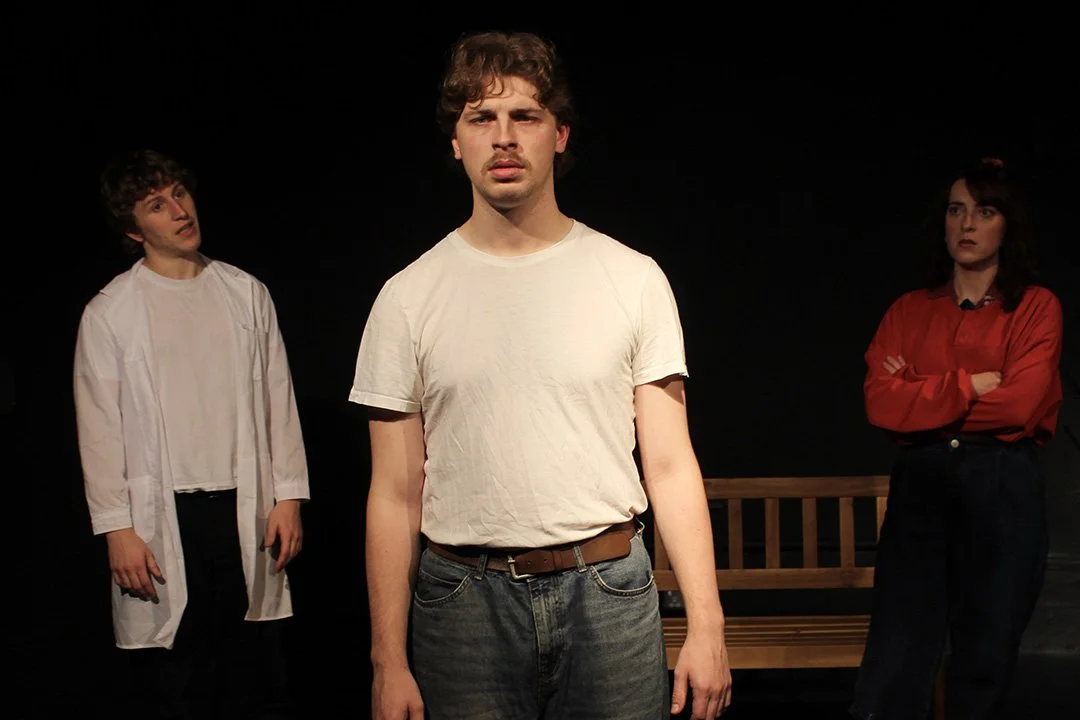
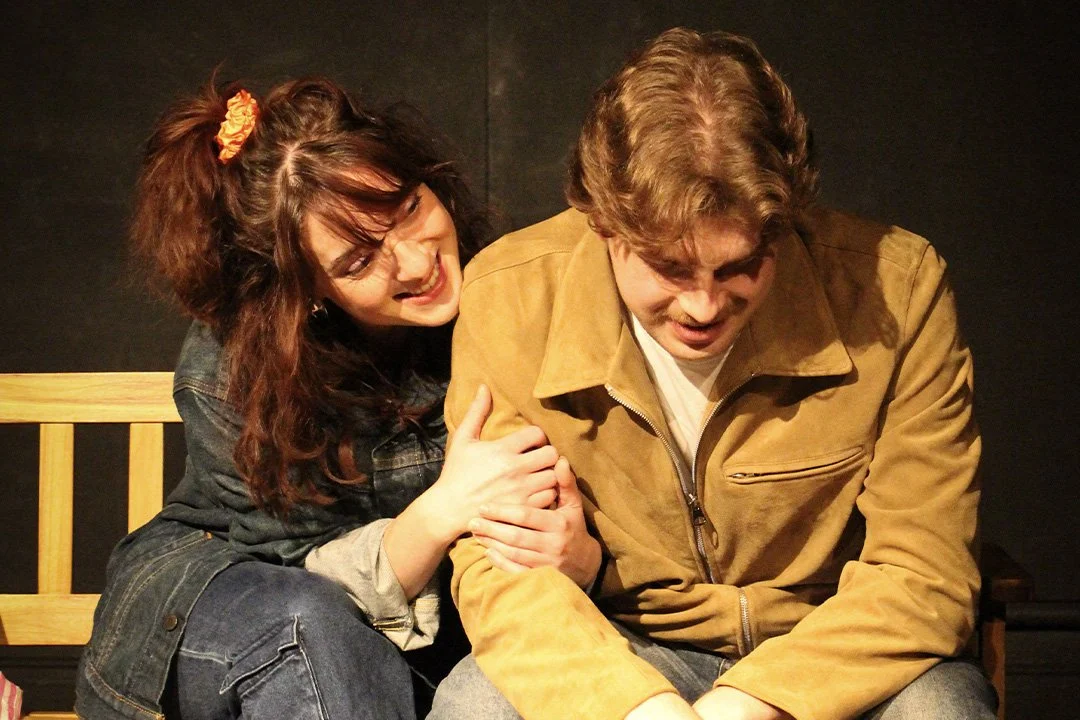
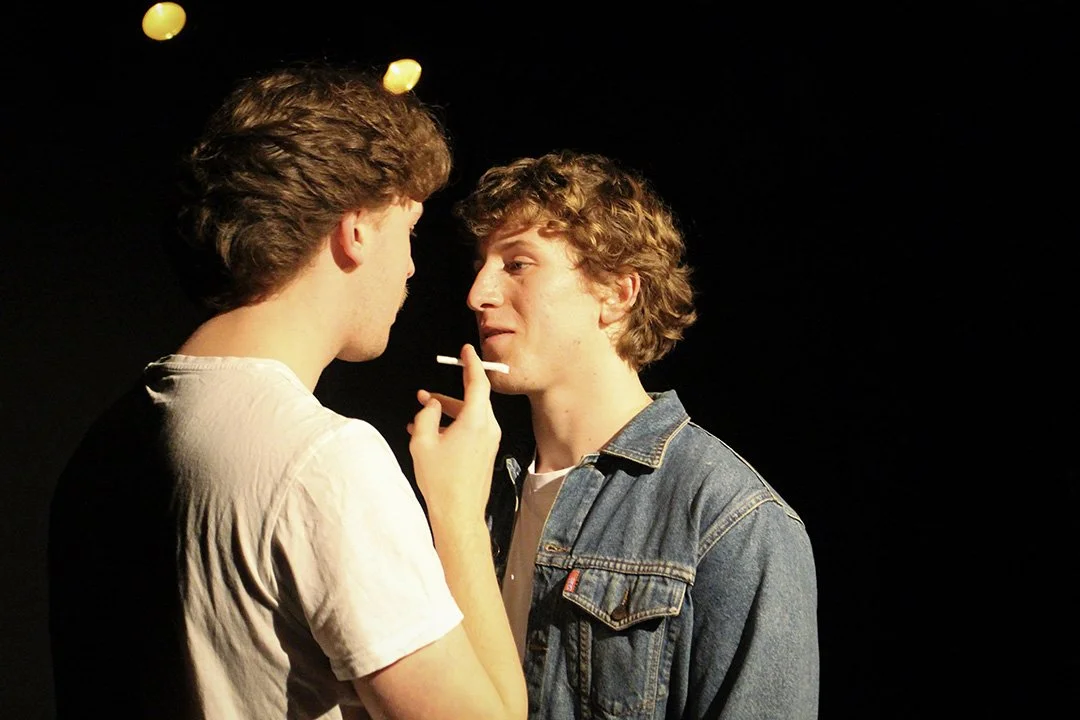
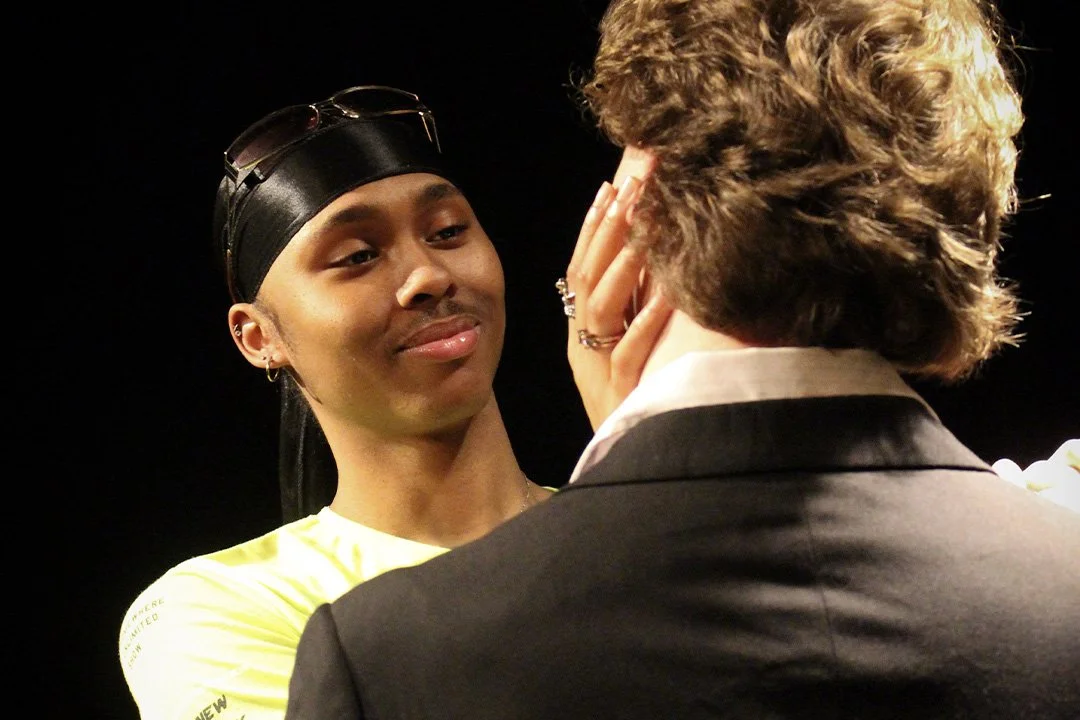
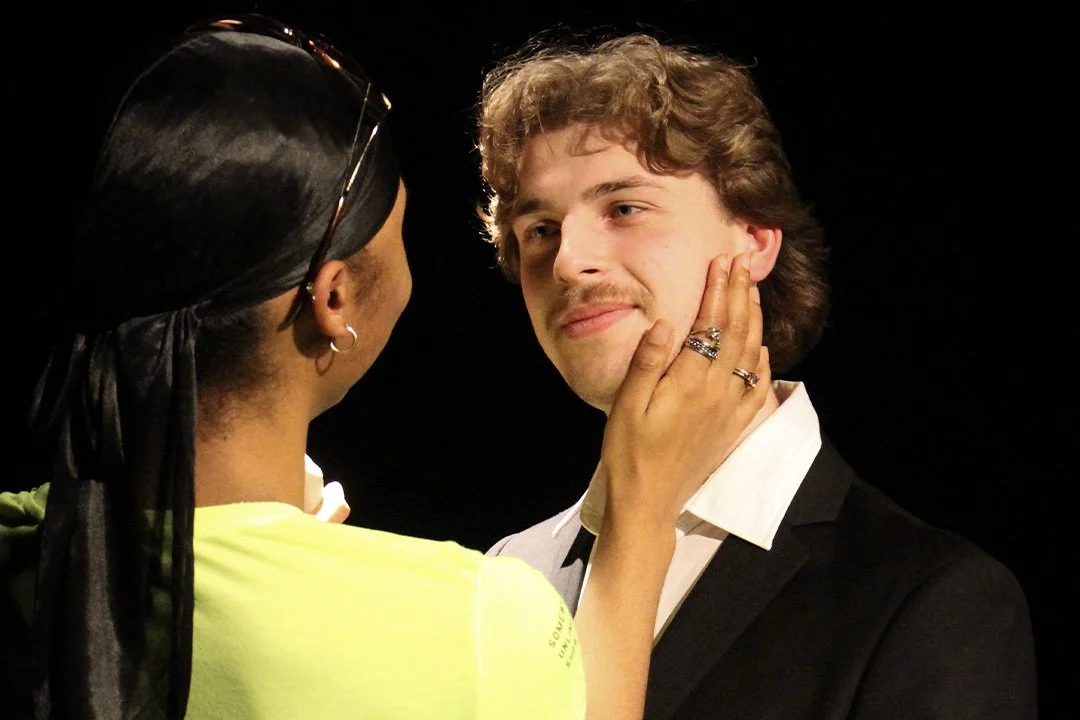
Last night I was back at the Lion And Unicorn Theatre for the premiere of Happy In Vain directed and produced by Nina Fuentes. It’s a new play from Rupert Shirley in which he tells the story of two young men, Fred (Leo Sermulins) and Thomas, (Roshaan Sharpe), whose separate timelines we watch unfold concurrently despite them actually taking place four decades apart. For Fred’s story we are taken back to 1986. He is under pressure both mentally and physically having inherited the responsibility for keeping his family together after his father’s departure. His mother is in need of constant medical attention, his younger sister also needs looking after and his loyal girlfriend Janine, (Frances Eva), whilst fully supportive, is just one more person vying for Fred’s attention, all whilst he is simultaneously holding down a construction job in order to stop the whole ship from sinking. Despite the long hours, the job does provide Fred with an alibi to periodically disappear in order to secretly meet up with another man, the ongoing affair that unfolds adding more guilt to an already exhausting and complex list of emotions he is feeling, not least of which in regard to his girlfriend who is starting to feel the increasing distance that is growing between them.
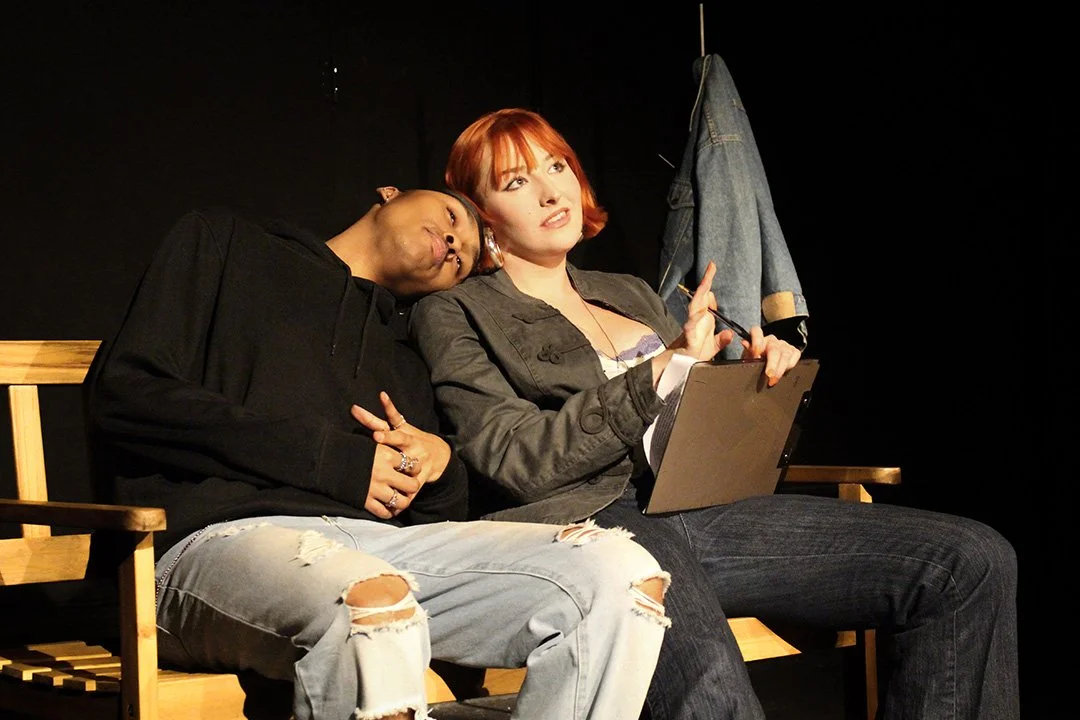
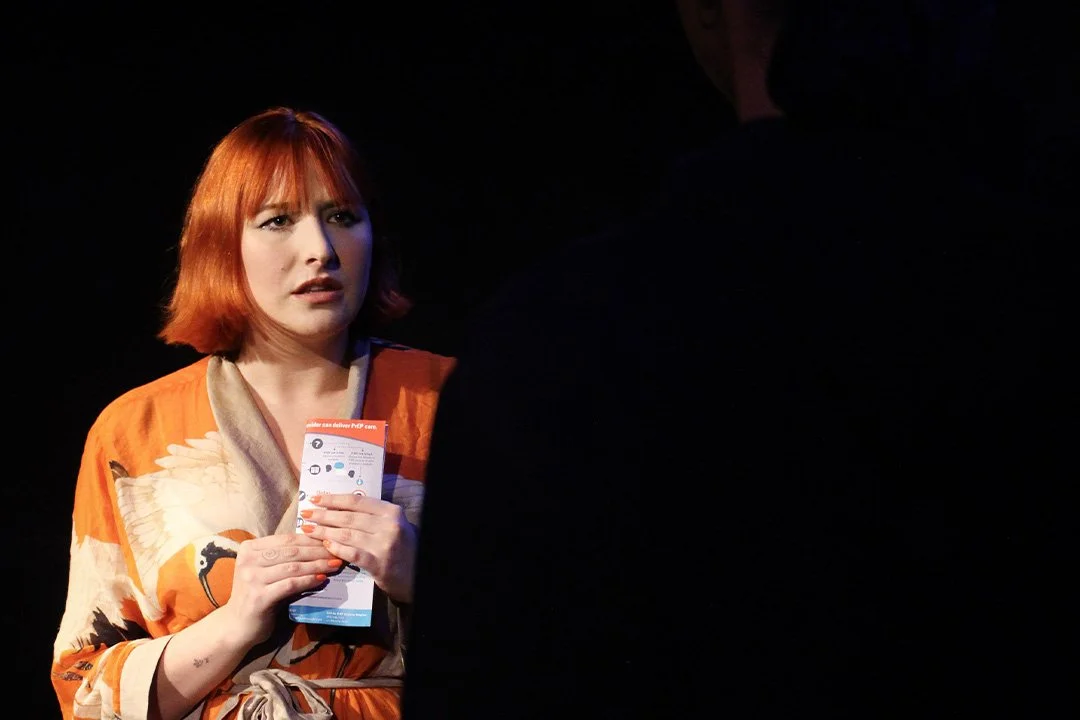
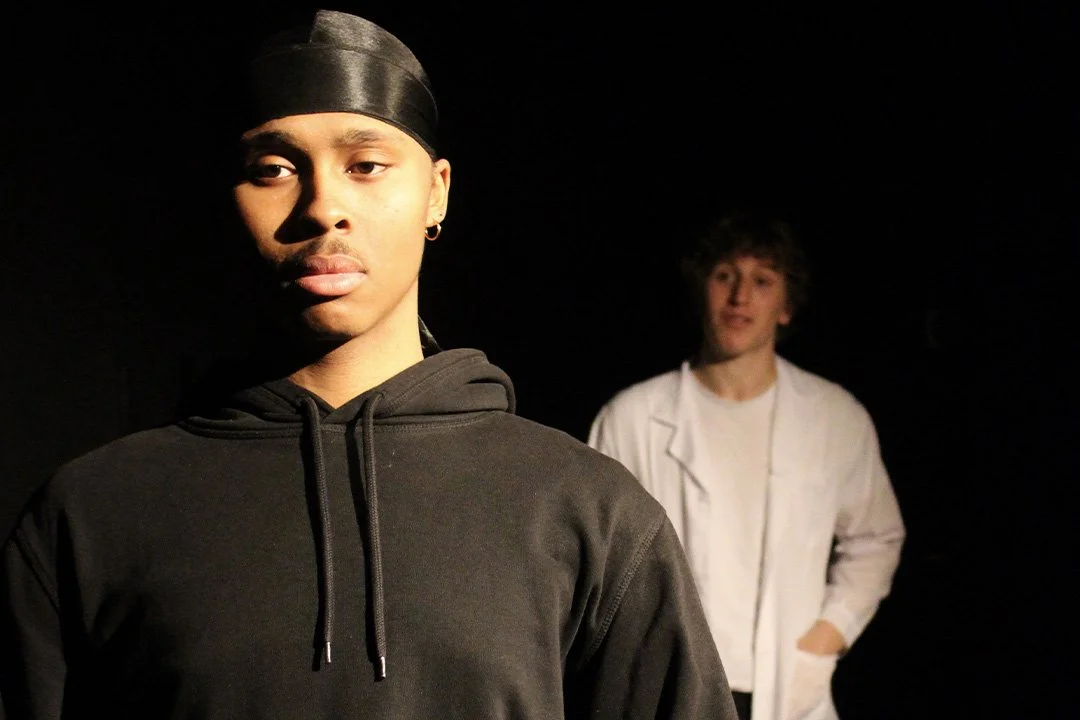
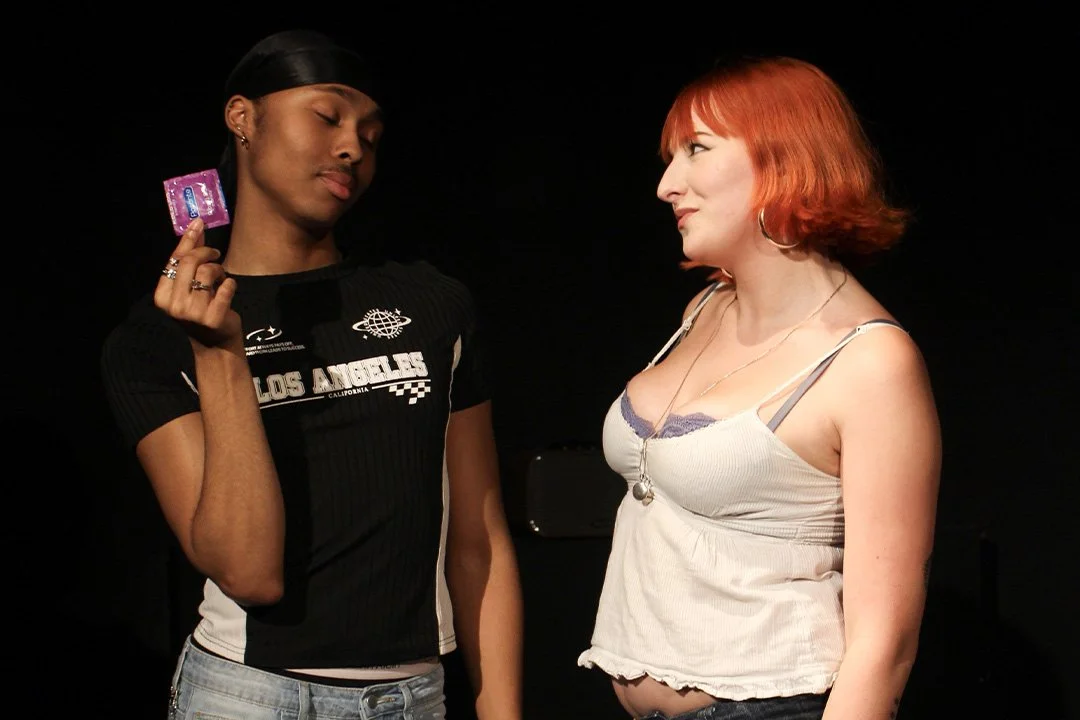
It is quite a different story for Thomas who is living a seemingly carefree existence in 2026, albeit partying a bit too hard as a young, free and single out and openly gay man, whose life revolves around parties, clubs and the inevitable hook-ups his nights out often lead to. After one such hook-up it is his best friend Scarlett (Freya Woolf), who advises him to get a precautionary test for possible STD’s, but his world is turned upside down when the tests comeback positive for HIV.
Back in 1986 Fred’s life is also touched by HIV, but it’s his mother who has contracted it through a transfusion of contaminated blood. This instantly leads Fred to spiral ever deeper into the feelings of shame he harbours about his clandestine meetings with another man, the mid-eighties being a time when the media’s reporting of the emerging HIV/AIDS epidemic, plus Margaret Thatcher’s introduction of Section 28 combine to create a hostile, fear-driven media environment that framed homosexuality as a public health threat and a moral danger. These moments are brought chillingly back to life by the use of actual radio and TV recordings from the time that punctuate the plays narrative, reminding us of the long devastating journey from Rock Hudsons death to the reporting of a new twice-yearly injection treatment for HIV.
It’s a bold and ambitious undertaking from Rupert Shirley, the scale and scope of which can be something to be admired in a ‘black box’ theatre setting, encapsulating as it does multiple stories and timelines. Understandably the play exceeds the one hour / one act format that is more the norm in similar venues, Happy In Vain running for 117mins with an intermission. Whist the time is well spent in terms of pacing the unfolding stories in a way befitting of their complexities, the two stories do seem increasingly strange bedfellows by the end. Whilst the bouncing between 1986 and 2026 is, on the whole, skilfully handled in both the writing and the staging of this production, (made all the more impressive by having a limited set consisting of little more than a park bench and a radio), the play does start to feel a little over-engineered when, for no particular reason, the naturalistic prose that most of the play is written in periodically shifts into rhyming couplets during a number of audience-directed asides during which both Fred and Thomas share some of their more intimate thoughts. Whilst initially a jarring device that stylistically doesn’t sit comfortably with either characters demeanour, it could possibly have embedded itself more comfortably over time were it not for the fact that many of the lines felt somewhat contrived in order to make the rhymes work, suffering as a result sitting cheek-by-jowl to the more keenly observed dialogue driving the rest of the play. Somewhat more controversially, there was also something about the introduction of Fred’s mothers diagnosis that for me felt a little clumsy as the vehicle that ultimately fuels Fred’s shame, the environment that he lives in and the rising prejudice being fuelled by the media’s reporting of HIV/AIDS being almost enough to make the pressure of a closeted existence and the fear of the unknown a stark contrast to Fred’s lived experience forty years later.
All of that being said, the performances on display by the 5-strong cast members (James Gwilym playing the multiple roles of Fred’s secret lover and Thomas’s Doctor), keep this production a compelling watch throughout, and I imagine several, if not all will go on to have successful careers, as I suspect will Rupert Shirley who, only in his early twenties demonstrates a maturity beyond his years with his impressive ability to construct a complex narrative whilst creating compelling characters with a strong sense of dialogue that can at times be as funny as it is moving. Yes, in places the story and stylistic approach does feel a little over engineered, but trying to accommodate too many ideas is a much stronger position than having none at all, and whilst Happy In Vain doesn’t feel quite there yet, there isn’t anything that a few more workshops couldn’t iron out.
★ ★ ★ ½
Happy In Vain is on at The Lion And Unicorn Theatre until 21st November 2026. Tickets available here
review: Simon J. Webb
photography: Emily Butler-Moor