Walking Each Other Home
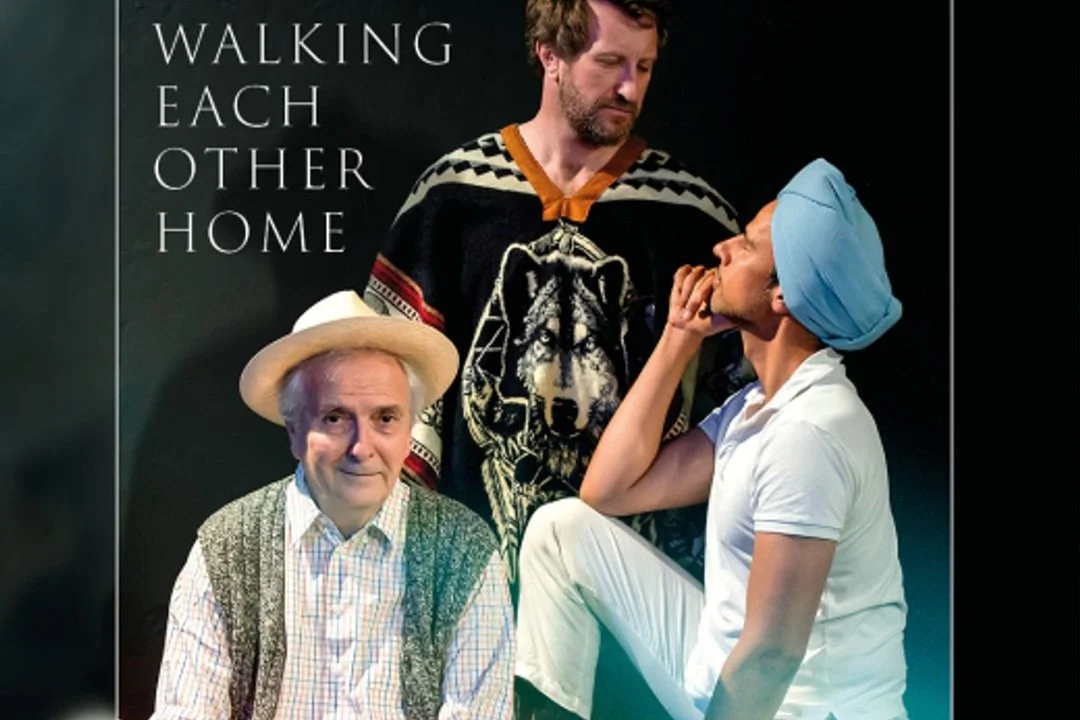
The Old Red Lion Theatre • 28th April – 16th May 2026
I took my seat for tonights slice of theatre happy in the knowledge that the Old Red Lion had survived its rumoured closure a couple of years ago after the venue, along with the Islington pub it sits above, had been put up for sale in 2024. Having survived an uncertain transitional period this influential fringe theatre is thankfully still with us, and will in fact be celebrating its 47th year of supporting new writing, the current production being Tim Graves second play, Walking Each Other Home, his playwriting debut, Among Angels, having premiered at the Courtyard Theatre back in April 2019.
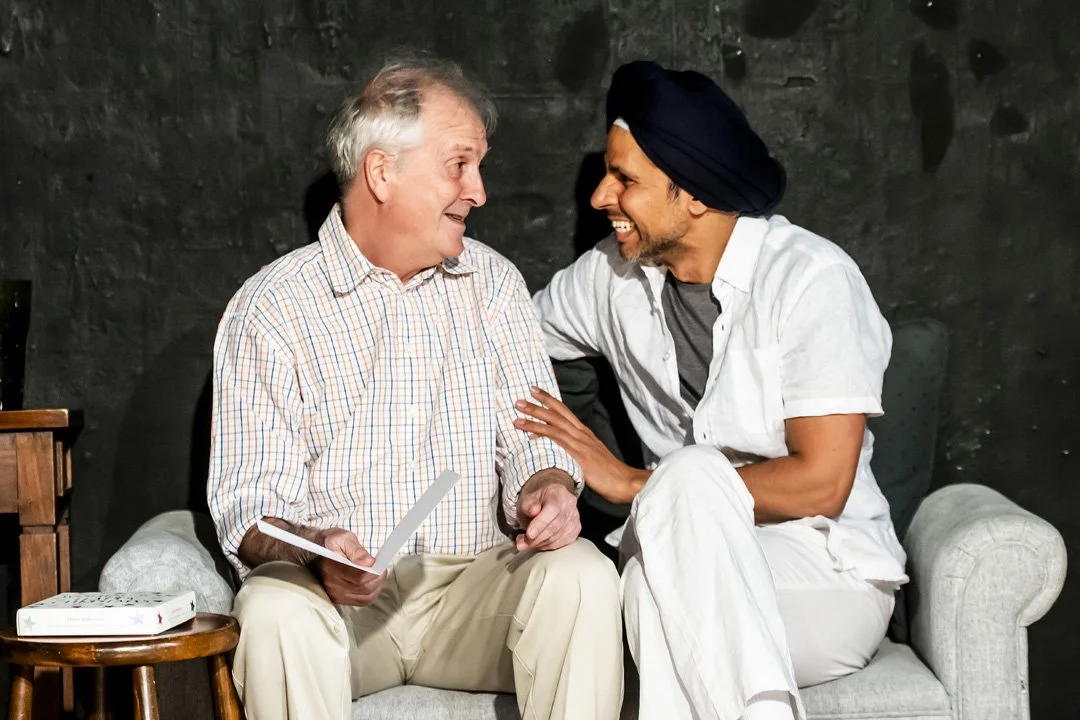
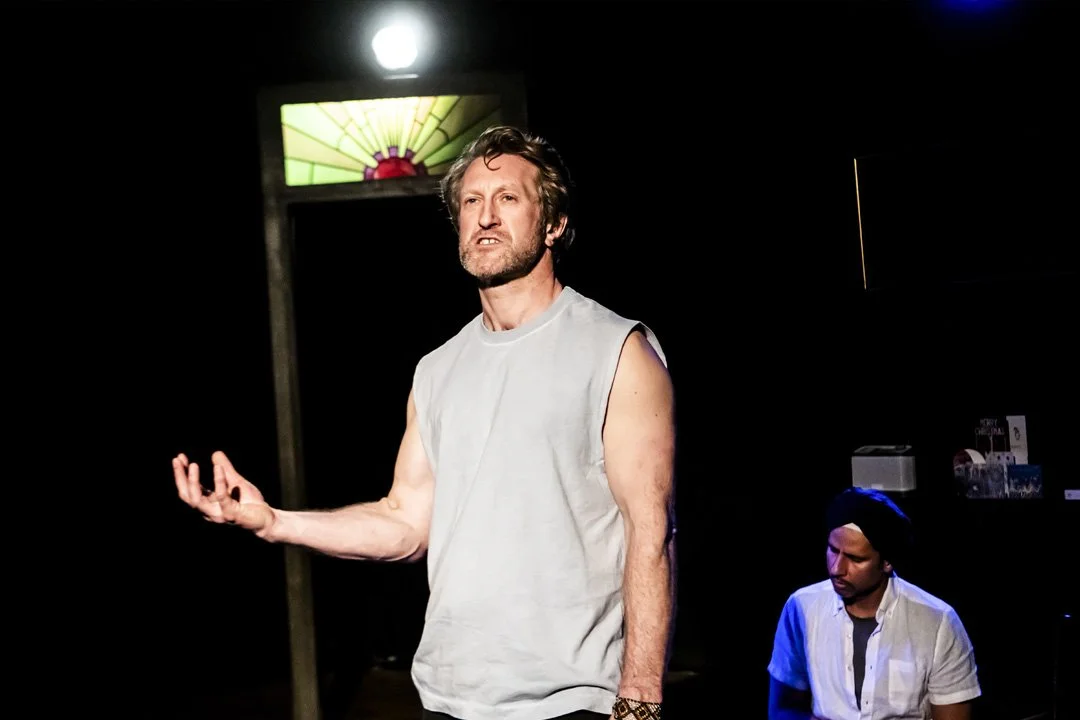
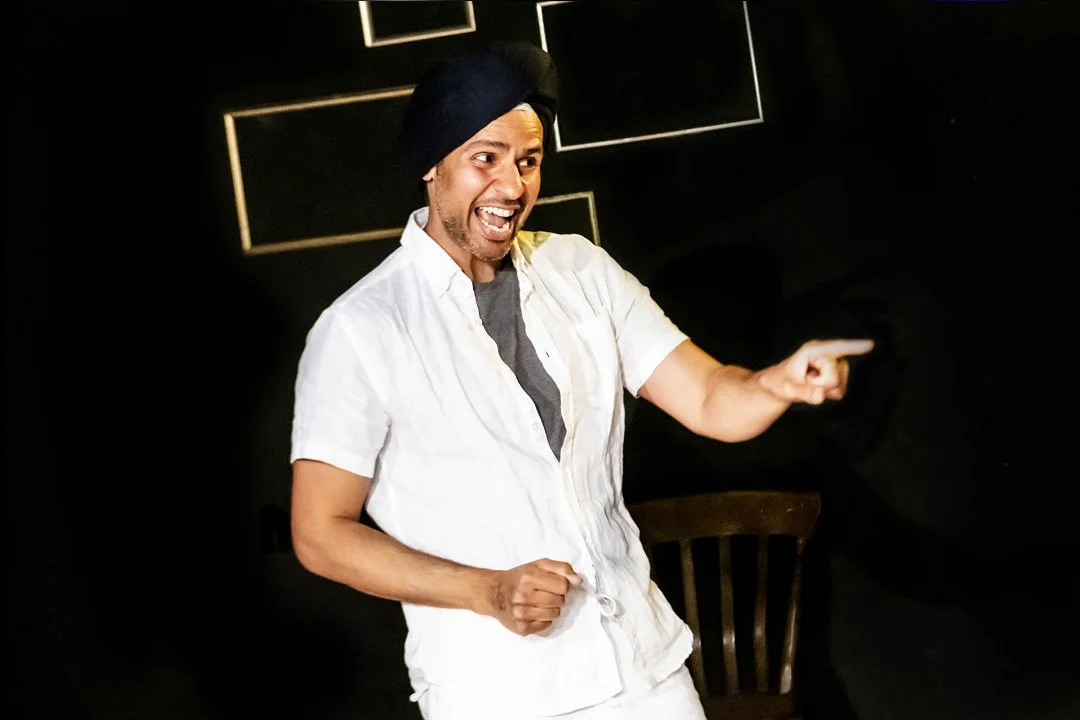
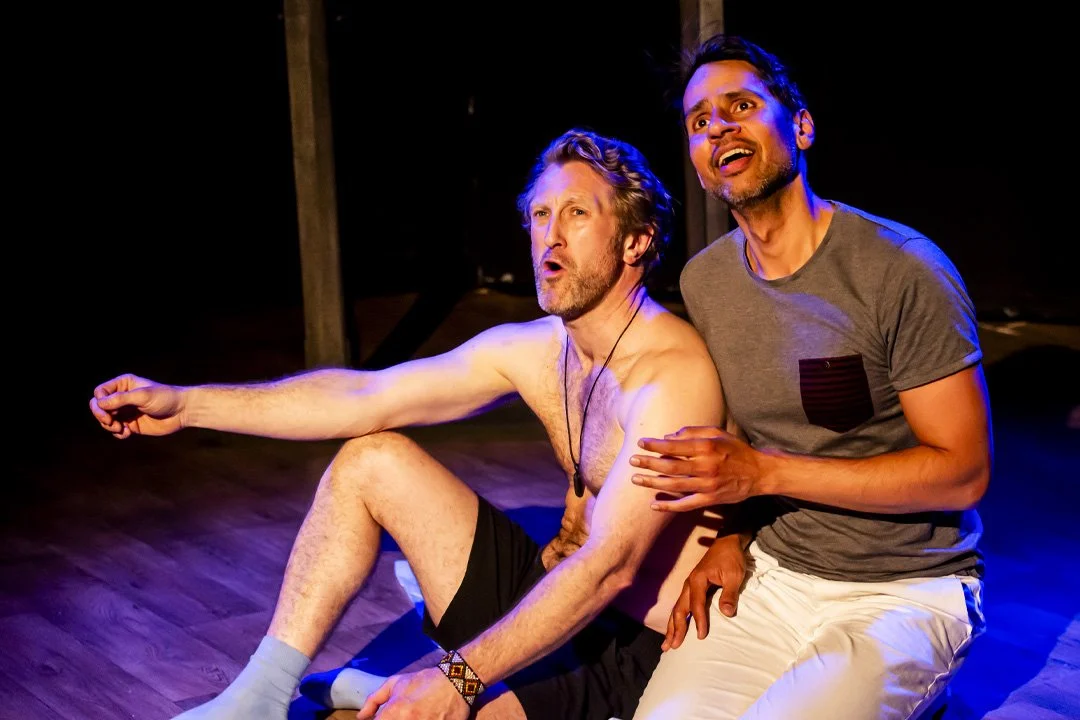
Set in “the claustrophobic confines of a dilapidated Norfolk cottage on the hottest day ever recorded in the UK”, Michael, described in the show notes as a gay middle-aged digital nomad, (Edward Fisher), has returned home from his extended travels to Peru seemingly ready to finally confront his elderly father Frank, (Christopher Poke), who’s acute homophobia while Michael was growing up has led to years of resentment. Still unable to reconcile the rejection he experienced whilst growing up Michael arrives at his fathers, who is now suffering from the early stages of dementia, surprised to discover Sandeep, ‘a young, mysterious gay Sikh man’, (Amrit Tumber), who has become his father’s carer and who Frank now considers, on occasion, to be his son, his dementia leading him to imagine that his actual son has died, the Micheal he now see’s before him being little more than a figment of his imagination. Michael’s visceral animosity towards his father is further fuelled by the fact that Sandeep is also gay and being given a level of respect from Frank that he had never experienced himself. However, this animosity does not prevent him from developing feelings for the infinitely more patient and empathetic Sandeep himself.
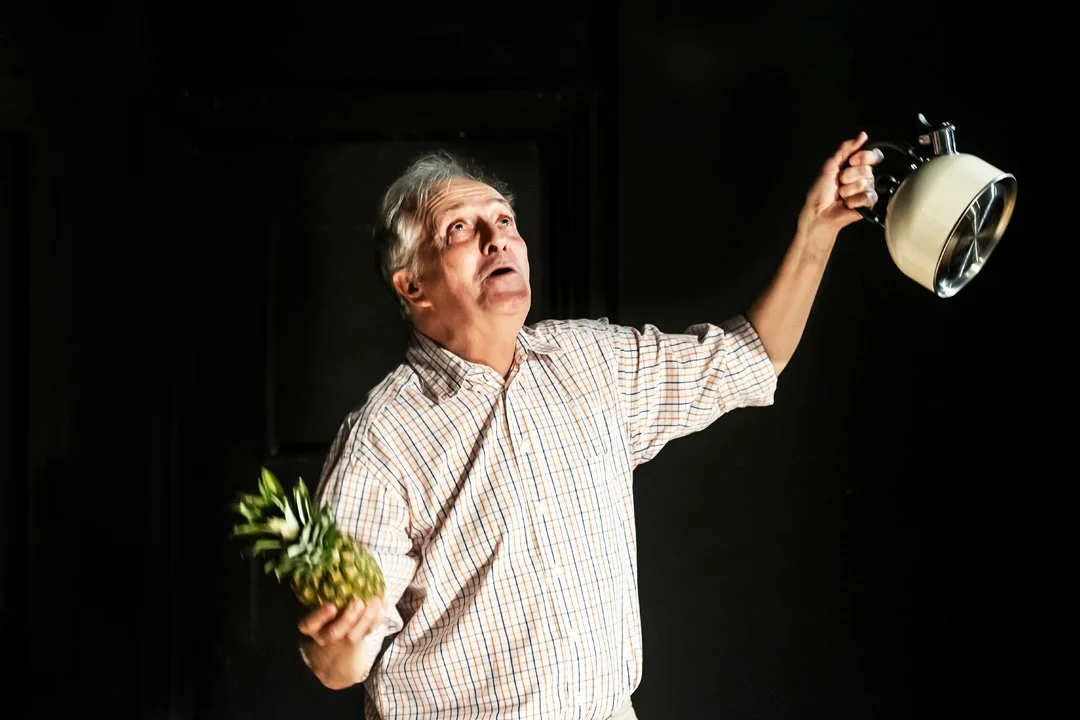
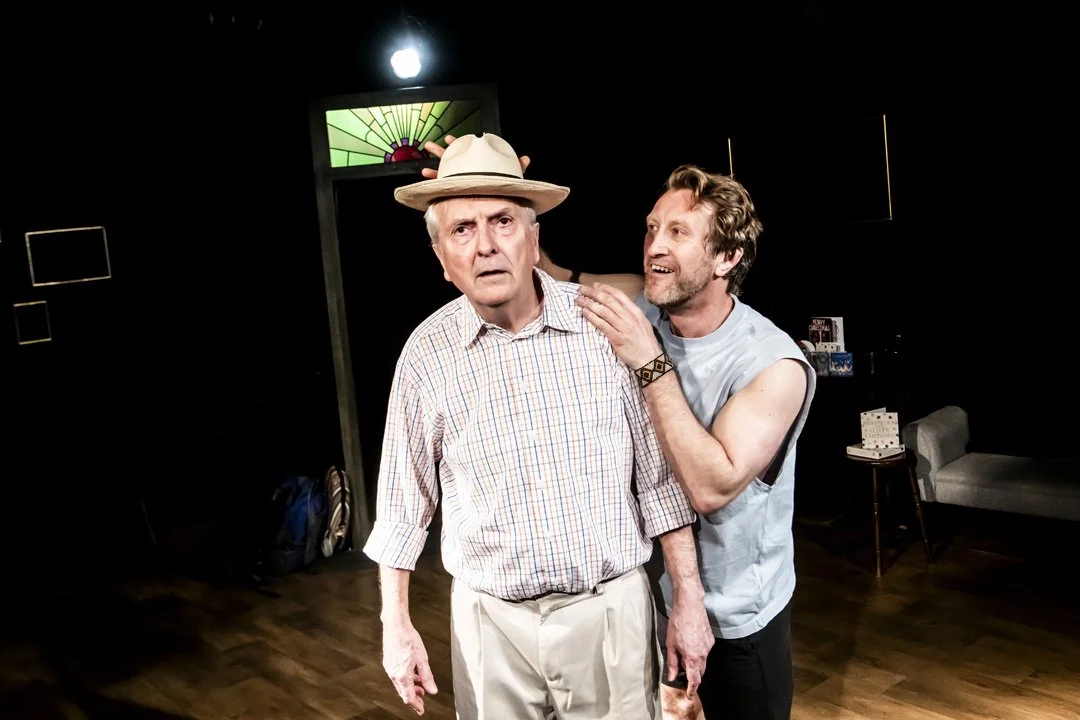
Director Jason Marc-Williams & Noah Cousins’ set design is understandably sparse in this fringe venue, though its carefully selected elements are enough to evoke a sense of the squalor that the once proud Frank now finds himself in. “What sort of life is this… I’ve got fuck all!”, Frank observes in one of his rare, more lucid moments. It is Christopher Poke’s portrayal of his characters dementia that for me quickly becomes the show’s greatest strength, his performance utterly convincing but played with a lightness of touch that prevents this from being an exercise in mawkish sentimentality. He is allowed to be witty as well as surprisingly sharp at times, whilst at other moments his cognative decline prevents him from holding on to a coherent thought for any significant amount of time, or be able to make any meaningful sense of the past, particularly, it would seem, where his son is concerned. The authenticity of this portrayal is both moving and will no doubt be deeply familiar to anyone who has supported a loved one through dementia, and it is here that both Poke and Graves deserve great credit for handling this sensitive subject with such dignity and insight.
Unfortunately this same level of nuance seems strangely absent from Fisher’s character, Michael, who not only appears to have very little grasp of his fathers condition throughout, but having “travelled through 6 time zones after three ayahuasca ceremonies”, also shows no signs of the spiritual awakening that took him on his voyage of self-discovery in the first place, there being no real signs that the experience has helped him release any of his childhood trauma or the suppressed emotions he continues to harbour. Instead he has arrived self-absorbed and lost in a well of negative energy from the very start.
Michaels need to be seen, heard and understood by his father supersedes any sense of empathy that would have otherwise lead to this being more than the fairly one-dimensional character he comes across as. There are the occasional breaks from his shortness of temper that hint at the existence of deeper feelings, (he has been thoughtful enough to bring his father a hat back from his travels and takes time to share a shamanic drum ritual with him), but these moments are short lived and rather clumsily crowbarred in, appearing as they do from nowhere and never really explored in any great depth, leaving little room for the emotional arc of the father and son’s journey to unfold. It is therefore left to Tumber’s character, Sandeep, to pick up the empathetic slack of the play, resulting in the scenes he shares with Frank being some of the plays strongest moments. It’s unfortunately still not enough to make up for the emotional disconnect between father and son though as, from the moment Micheal arrives, neither actor, writer or director seem able to settle on a credible tone for this character. Whilst his grievance at his fathers behaviour is both understandable and reason enough for the anger he feels, it is never really clear what he hopes to achieve by continually berating a man now lost to the fog of dementia.
All of that being said, taken as a study of Frank’s dementia, Tim Graves has written a well observed and commendable play reminding us not only what a cruel disease this can be, but how empathy and communication, as shown being expressed by Sandeep, can go a long way in improving the quality of life for those that suffer from it. As a fresh take on the more dysfunctional familial relationships gay men often find themselves having to reconcile when coming out however, Walking Each Other Home unfortunately struggles to find it’s stride.
★ ★ ★
Walking Each Other Home is on at The Old Red Lion Theatre from 28th April to 16th May. Tickets available here
review: Simon J. Webb